
In the U.S., paper airplane remains one of the strongest evergreen paper-craft queries because it blends craft, play, classroom science, and quick satisfaction. A good paper plane is also highly repeatable, which gives it much better long-tail potential than one-off novelty crafts.
Most folding guides focus only on steps. What actually helps a plane fly farther is understanding the role of symmetry, nose weight, wing width, and launch angle. Once those are controlled, your results become much more consistent.
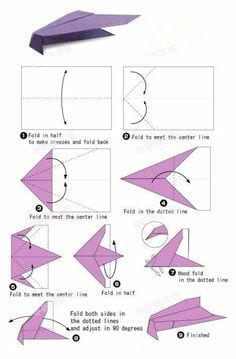
What usually improves flight distance
- Clean, mirrored folds on both sides matter more than using expensive paper.
- A slightly heavier nose often helps a plane travel straighter.
- Test flights in a calm room tell you more than one dramatic throw outdoors.
What to prepare before folding
- A4 or US letter paper
- A ruler for sharper guide folds
- A flat table and good lighting
- Optional paper clips for quick nose-weight experiments
Five airplane styles worth testing
- Classic dart for straight, fast flight
- Wide-wing glider for slower flight indoors
- Balanced classroom plane for repeatable student results
- Sharp-nose design for distance contests
- Decorative plane with stronger center fold for display and light flying
How each design behaves
| Design type | Best use | Flight character |
|---|---|---|
| Classic dart | Distance and accuracy | Fast, direct, works well with firm throws |
| Wide glider | Indoor play | Gentler flight, more sensitive to airflow |
| Balanced hybrid | School testing | Reliable and forgiving for beginners |
If a paper airplane dives, do not throw harder. Check the fold symmetry first, then adjust the wings by millimeters, not centimeters.
Testing workflow that gets better results
| Step | What to do |
|---|---|
| 1 | Fold one design carefully and launch it three times before changing anything. |
| 2 | Observe whether it dives, stalls upward, or pulls left or right. |
| 3 | Adjust only one variable at a time: wing angle, nose weight, or rear flap. |
| 4 | Repeat the same launch strength so you can compare results honestly. |
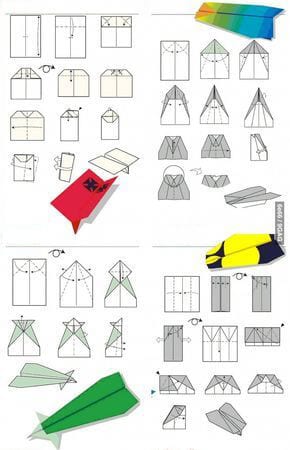

Video tutorial
Mistakes that shorten the flight
- Throwing too hard on a glider-style airplane
- Using wrinkled paper with soft center folds
- Changing three things at once and losing track of what improved the flight
Frequently asked questions
Which paper works best for distance?
Standard printer paper is a reliable starting point because it is stiff enough for clean folds but not too heavy for classroom throws.
Why does my plane keep turning left?
One wing is likely angled differently than the other, or the center fold is slightly off. Tiny asymmetries have a large effect in flight.
Is heavier paper always better?
Not always. More weight can stabilize the plane, but too much weight reduces glide and can cause a steep drop.
The best paper airplane guide is not the one with the most complicated folds. It is the one that helps you test, compare, and improve with intention.
If you want to connect the craft side with more decorative folding, pair this project with ideas from the site's paper figures section.